Coffee Stain SVG: A Designer’s Take on Realistic Spills
As a designer who spends a fair amount of time hunched over a digitizing tablet with a mug in hand, the irony of a coffee stain is not lost on me. We spend hours trying to keep our workspaces pristine, only to turn around and stitch a permanent, unspillable version of a coffee ring onto a tote bag. That’s the exact charm of the Coffee Stain SVG, Tea Cup Spill Ring 032. It flips a moment of frustration into a design asset that feels instantly relatable and surprisingly sophisticated. Before you load up your machine, let me walk you through how this graphic performs in the real world of embroidery, where thread tension, fabric texture, and customer expectations meet.
Imperfection as a Design Statement
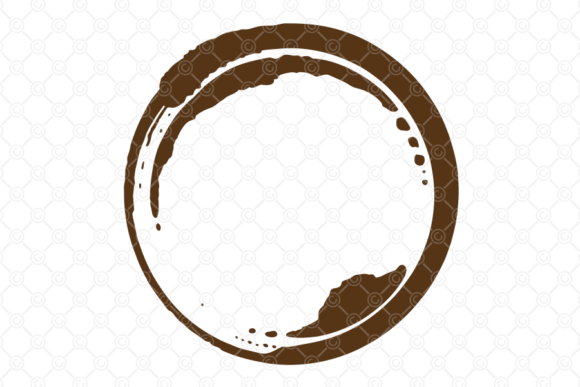
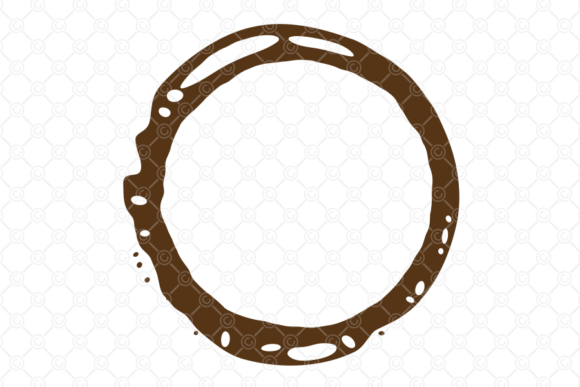
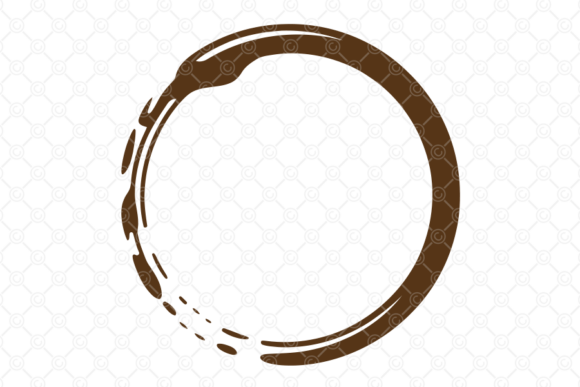
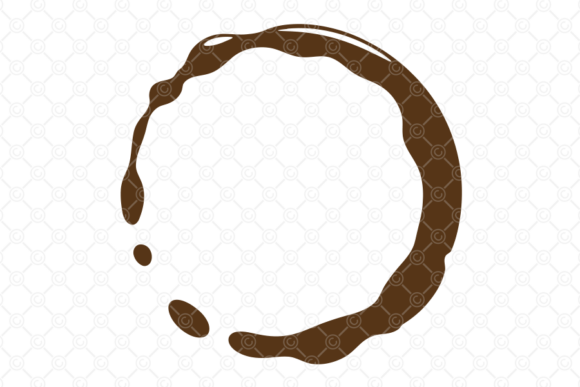
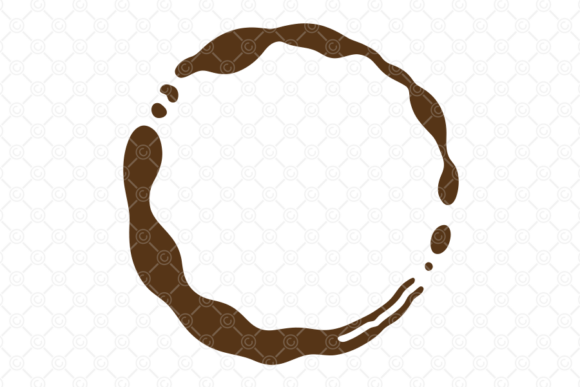
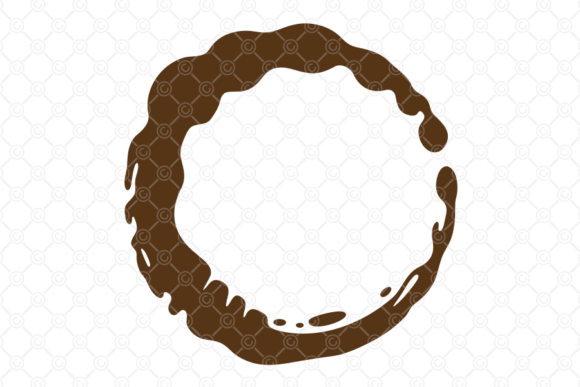
The first thing you notice about the Coffee Stain SVG, Tea Cup Spill Ring 032 is that it commits to the bit. This isn’t a clean, cartoonish circle. It has the organic, uneven absorption lines of a real mug ring left on a paper. The outer edge bleeds, the center is hollow, and the opacity varies. For an embroidery project, this kind of organic shape is a goldmine. It feels authentic. It tells a story. Whether you are making a personalized gift for a sleep-deprived new parent or a set of tea towels for a brunch-themed craft fair, this design brings a genuine, lived-in aesthetic that polished fonts and perfect icons just can’t match. The mood is cozy, forgiving, and slightly humorous—a combination that sells well on custom apparel and handmade product listings.
Going from SVG to Stitch: A Digitizer’s Perspective
Since the Coffee Stain SVG, Tea Cup Spill Ring 032 is a graphic file, your first job is to get it digitized properly. Machine embroidery design success hinges on how well the digitizer interprets the SVG. The organic edge needs to be captured with a soft, slightly irregular satin stitch or a dense fill stitch that mimics the uneven saturation of a real stain. A simple running stitch outline won’t cut it here—you need volume and texture to sell the illusion.
I recommend testing the vector in a black and white mockup first. The high contrast of a dark brown thread against a cream fabric is where this design shines. If you plan to sell the finished product, pay close attention to the stitch density. A ring that is too dense might stiffen a kitchen towel, while one that is too light won’t have the visual weight to look like a real spill. Always confirm the hoop size with your digitizer before committing. A standard 5x7 hoop gives you enough room to place the ring centrally or off-center, mimicking a mug being set down. For smaller projects, like a baby embroidery onesie, you may need to carefully scale the SVG to ensure the ring shape remains recognizable and doesn’t just look like a brown blob.
Project Case Study: The "Work From Home" Tote Bag
I recently used an iteration of this design concept for a client who runs a small boutique coffee roasting business. They wanted a tote bag design that was "relatable, not corporate." The Coffee Stain SVG, Tea Cup Spill Ring 032 was the perfect base. We placed the ring off-center, near the bottom left corner of the bag, as if someone had just set down a hot cup. In a soft espresso brown thread on a natural canvas tote, it looked phenomenal. It didn’t just look like a stain—it looked like the stain. The one that gets on your important papers. The one that marks your favorite mug. The reaction from customers was immediate. It became a conversation starter, which is exactly what you want from a craft business item. This single-color design was quick to stitch out, keeping production costs low while commanding a premium price for its clever, artistic concept.
Where This Design Belongs (and Where to Be Careful)
Not every surface is the right home for a coffee ring. Here is my honest breakdown of where the Coffee Stain SVG, Tea Cup Spill Ring 032 performs best and where it needs a cautious hand.
Perfect Canvases for the Spill Ring
- Tea Towels and Kitchen Linens: The natural absorbency of linen or cotton towels echoes the paper texture the stain mimics. A single color applique design or fill stitch works perfectly here and holds up well to frequent washing.
- Sweatshirt Embroidery: A relaxed, oversized sweatshirt is the ideal canvas for a center-placed ring. It has a cozy, "stay in bed" vibe that aligns perfectly with the coffee theme. The fabric texture of a fleece or French terry adds depth to the organic shape.
- Embroidered Patches: Create a set of "coffee stains" as iron-on patches. This is a low-cost, high-margin digital product for Etsy sellers to offer as a printable mockup or physical item. Patches also allow you to use high stitch densities without worrying about fabric puckering.
- Aprons: For coffee shop employees or home baristas, an apron with a permanent "spill" ring is both humorous and relatable. It builds brand consistency for local cafes looking for unique merch.
- Pillow Covers: A linen or cotton pillow cover with a single coffee stain ring creates a minimalist, editorial look that appeals to interior design lovers.
Caution Zones and Design Pitfalls
- Baby Clothes and Tiny Hoops: The scale of the "spill" is part of its charm. Shrinking the embroidery file down to fit a 4x4 hoop for a onesie might make it look like a weird brown dot. It loses the "ring" narrative. If you must use it for baby embroidery, test the size on scrap fabric first to ensure the hollow center is still visible.
- Curved Surfaces (Caps and Hats): A cap has a curved, structured front. A large, circular stain will likely distort and look like a mistake rather than a deliberate design. Stick to flat or gently curved surfaces like aprons, totes, and sweatshirts.
- Very Dark Fabrics: A brown stain on black fabric disappears. If you want to use dark fabric, consider a contrasting thread color like a bright gold, turquoise, or neon pink for a stylized, pop-art coffee ring. This works well for holiday embroidery gifts where a bold, modern look is desired.
- Stretchy or Thin Fabric: The stitch density required to create a solid fill ring can cause puckering on lightweight knits or mesh. Use a high-quality stabilizer and test thoroughly before committing to a bulk order of custom apparel.
Boosting Product Value and Customer Engagement
In the world of commercial embroidery and personalized gifts, novelty sells. But sophistication sells again. The Coffee Stain SVG, Tea Cup Spill Ring 032 sits perfectly in that sweet spot. It’s novel enough to make someone laugh, but subtle enough that they’d wear it out in public. For a small shop product, this design adds a layer of storytelling. A customer isn’t just buying a tote bag or a sweatshirt; they’re buying the shared experience of being a coffee lover whose life is a little messy.
This elevates the perceived value of your handmade product. It moves it from a generic gift to a thoughtful, curated piece. For Etsy sellers and creative entrepreneurs, this design works beautifully in printable mockup listings, allowing buyers to visualize the final stitch-out before purchasing. It also photographs exceptionally well, which is crucial for building customer trust and buyer engagement on social media. A well-placed coffee ring on a crisp linen apron is highly shareable and instantly recognizable.
Essential Checks Before You Stitch
Before you load up your machine, run through this quick list to ensure a flawless finish with the Coffee Stain SVG, Tea Cup Spill Ring 032:
- Test on Scrap Fabric: Always. The organic edge of the stain needs to be visually tested. Use a fabric that matches your final project (cotton, poly-blend, linen). This is non-negotiable for machine embroidery design success.
- Review Stitch Density: A fill stitch that is too dense will make the fabric pucker. A fill that is too light will look like a faded watermark. Work with your digitizer to find the balance, especially for applique design conversions.
- Check Thread Color Contrast: Brown on cream is classic. But consider matching the thread color to the "stain" of a specific drink (matcha latte = green, turmeric latte = yellow, red wine = purple). This level of detail appeals to hobbyists and apparel decorators looking for niche markets.
- Confirm Licensing: Since this is a Graphics product in the Crafts category, the license likely covers use in physical products. However, Etsy sellers and small business owners must verify if they can use it for commercial projects or if they need to purchase an extended license. This is a crucial step in building a legitimate craft business and avoiding legal issues.
- Use Proper Stabilizer: For towels, knits, and loosely woven fabrics, a medium-weight cutaway stabilizer will prevent the ring from distorting over time, especially with frequent washing. Tear-away may work for stable fabrics like canvas or denim.
- Inspect the Vector Paths: Before sending the SVG to your digitizer, clean up any stray nodes or overly complex paths. A smooth vector ensures a cleaner stitch-out and reduces the risk of thread breaks during production.
A Reliable Design Asset for the Right Project
The Coffee Stain SVG, Tea Cup Spill Ring 032 is a prime example of how a simple, well-observed concept can translate into a versatile digital embroidery file for a range of projects. It’s not a design that tries to do too much. It’s a single, strong element that carries a lot of emotional weight. For apparel decorators, hobbyists, and makers looking for something that breaks the mold of standard fonts and floral motifs, this is a solid choice. It’s a reminder that sometimes, the best designs are the ones that look like they happened by accident. Just make sure you digitize it with the care it deserves, pair it with the right fabric, and verify your licensing, and you’ll have a finished product that your customers will genuinely love and wear with pride.