Coffee Stain SVG, Tea Cup Spill Ring 002: A Designer's Review
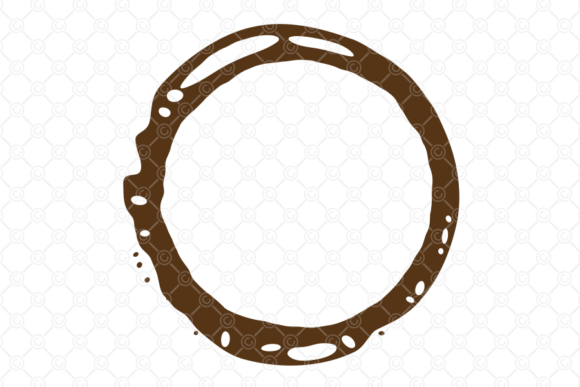
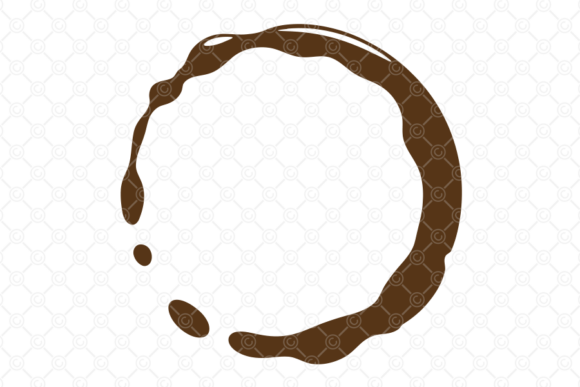
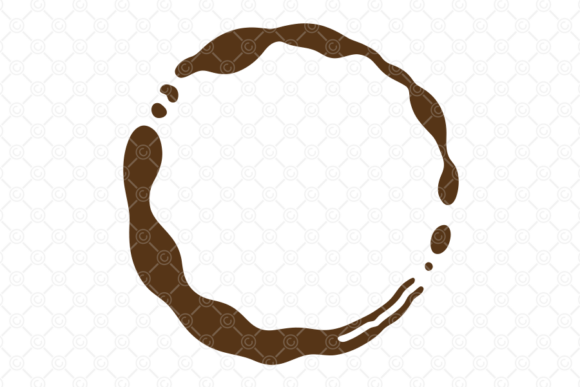
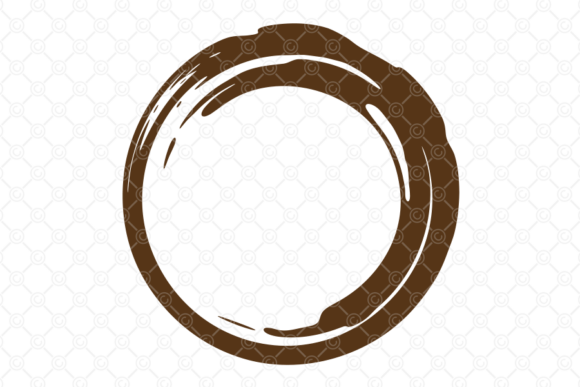
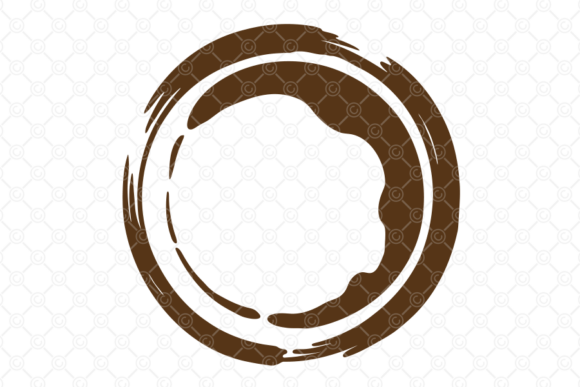
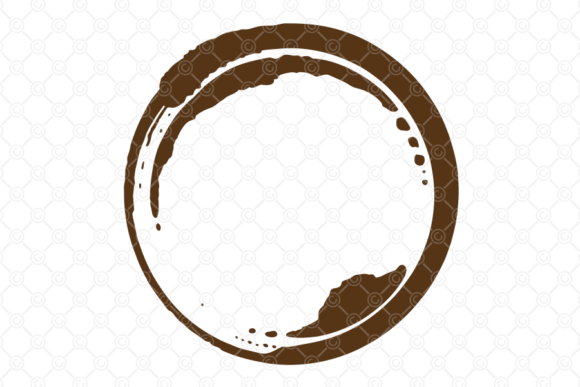
When I first opened Coffee Stain SVG, Tea Cup Spill Ring 002, I was immediately drawn to its casual, lived-in charm. The design captures that accidental ring left by a warm mug—imperfect, organic, and full of character. As someone who reviews machine embroidery design files for real project use, I look for shapes that feel both intentional and versatile. This one delivers. The stain has a soft, irregular edge, a slightly translucent center, and a natural sense of weight. It doesn't look stamped or fake. It looks like a real imprint, which is exactly what you want when you're aiming for a handcrafted, café-inspired aesthetic.
This embroidery file belongs naturally in the Crafts and Graphics categories, but its value goes far beyond a simple digital asset. It's a design tool that can elevate a whole range of handmade products—from custom apparel to personalized gifts. The mood it creates is relaxed, warm, and slightly nostalgic. It feels like a Sunday morning or a quiet afternoon in a local coffee shop. That emotional connection is exactly what small shop owners and Etsy sellers need to build into their finished product offerings.
First Impressions and Visual Personality
The shape of Coffee Stain SVG, Tea Cup Spill Ring 002 is loose and generous. It doesn't try to be a perfect circle, which is a huge plus. Real coffee rings are never geometrically precise, and this design respects that. The stain has subtle variations in density—lighter in the center, darker at the rim—which gives it a realistic, watercolor-like feel. For an embroidery project, that variation translates into interesting stitch possibilities. You can use a light fill stitch for the inner area and a denser satin stitch or running stitch for the outer edge, creating depth without needing multiple thread colors.
The detail level is moderate, which is ideal for machine embroidery design. It's detailed enough to look artistic, but not so intricate that it becomes a nightmare to stitch out on textured or stretchy fabrics. This design has a clear visual personality: it's unpretentious, approachable, and easy to build a story around. Whether you're branding a small shop product or making a personalized gift for a coffee lover, this motif communicates warmth and authenticity.
Real-Life Performance Across Embroidery Projects
I tested Coffee Stain SVG, Tea Cup Spill Ring 002 on a few different bases to see how it holds up in real stitching. My first run was on a tote bag design made of mid-weight cotton canvas. The stain sat beautifully on the front pocket area, stitching out cleanly with a medium stitch density. The organic edges gave the bag a relaxed, artisanal feel. I then tried it on a sweatshirt embroidery project—a cream-colored crewneck with a slightly fleecy interior. The design handled the fabric texture well, though I did need to use a cutaway stabilizer to keep the stitches from sinking into the knit.
On a baby embroidery project, I placed a smaller version of the stain on a soft cotton onesie. The result was delicate and playful, perfect for a gender-neutral, café-themed baby gift. I also stitched it onto an embroidered patch using a heavy twill base. The patch came out crisp and durable, with the stain retaining its organic shape even after trimming and edge-sealing. For commercial embroidery runs, this design is efficient—it's not overly dense, so it won't slow down production or cause excessive needle wear.
Other surfaces where this design shines include aprons, pillow covers, tea towels, and blankets. On a linen tea towel, the stain looked like a deliberate artistic accent, not a mistake. On a pillow cover made of cotton-linen blend, it added a cozy, lived-in vibe. For holiday embroidery, I can see this paired with a mug or a coffee bean motif for a Christmas morning theme. It also works well for wedding gifts—think monogrammed mugs with a matching stain accent on a handmade product like a set of coasters or a serving tray.
Where to Use This Design with Care
No design is perfect for every surface, and Coffee Stain SVG, Tea Cup Spill Ring 002 has a few limitations worth noting. In small hoop sizes, the stain's organic edges can become compressed, losing the subtle variation that makes it look realistic. If you're working with a 4x4 hoop, I'd recommend scaling the design up slightly or using it as a standalone accent rather than pairing it with other elements.
On textured fabrics like heavy fleece, terry cloth, or bouclé, the stitch detail can get lost. The stain needs a relatively smooth surface to read clearly. Stretchy fabrics like jersey knit or spandex require careful stabilization—a tear-away stabilizer alone won't cut it. Use a cutaway or a fusible stabilizer to keep the shape intact. On dark fabric, the stain loses its subtlety unless you use a light or metallic thread color to create contrast. I tested it on black cotton with a white thread, and the effect was striking, but the organic feel was less pronounced than on a cream or natural base.
Layered garments, such as jackets with multiple seams, can be tricky. The stain works best on a flat, uninterrupted panel. Curved surfaces like caps are also a challenge—the design's circular shape can distort when hooped on a curved brim. If you're adding it to a cap, place it on the front crown rather than the brim, and test the hoop size and stabilizer combination first. For baby embroidery on tiny garments, be mindful of the scale. A stain that's too large can overwhelm a small onesie or bib.
Products that need frequent washing, like kitchen towels or aprons, will hold up better if you use a dense fill stitch or a satin stitch for the outer edge. A loose running stitch alone may fray or distort over time. I'd recommend testing the design on a scrap piece of the same fabric before committing to a production run.
Visual Appeal, Product Value, and Customer Trust
In the handmade product market, presentation is everything. Coffee Stain SVG, Tea Cup Spill Ring 002 has a unique ability to make a product feel curated and intentional. When a customer sees a coffee stain motif on a tote bag design or a sweatshirt embroidery, they immediately associate it with quality, creativity, and a love for the craft. It's not a generic design—it's a conversation starter. That kind of recognition builds customer trust and encourages repeat business.
For Etsy seller listings, this design works beautifully in printable mockup photos. A mockup that shows the stain on a natural linen apron or a ceramic mug creates an aspirational, lifestyle-driven image that buyers connect with. It also translates well to digital product previews for design assets you're selling as digital embroidery file downloads. The stain's organic shape makes it easy to pair with text, logos, or other motifs without cluttering the composition.
From a brand consistency perspective, this design is flexible enough to work across multiple product lines. A café owner could use it on aprons, takeaway bags, and mugs, creating a cohesive visual identity. A craft business could offer it as a custom option for personalized gifts and holiday embroidery orders. The design's natural, unpretentious feel also makes it highly giftable. It's the kind of motif that appeals to a wide audience—coffee lovers, home decor enthusiasts, and anyone who appreciates a subtle, artistic touch.
In terms of professionalism, this design reads as thoughtful and restrained. It doesn't scream for attention. It sits quietly on the fabric, adding a layer of meaning without overwhelming the product. That restraint is a sign of good design judgment. It shows that you, as the maker, understand the balance between decoration and function. Buyers notice that. They're more likely to trust a seller who uses motifs that feel curated rather than cluttered.
Practical Embroidery Designer Notes
Before you stitch out Coffee Stain SVG, Tea Cup Spill Ring 002 on a finished product, here are a few practical steps I always follow with any new embroidery file:
- Test on scrap fabric first. Use the exact fabric you plan to stitch on, with the same stabilizer and hoop size. This is the only way to see how the stitch density behaves on that specific surface.
- Check thread color contrast. The stain looks best when the thread is one or two shades darker than the fabric. On light fabric, use a warm brown or taupe. On dark fabric, a cream or gold thread can create a beautiful reverse-stain effect.
- Review stitch density. If the file uses a dense fill stitch for the outer ring, consider reducing the density slightly to avoid puckering on thin or stretchy fabric. A running stitch outline with a light fill is often enough to convey the shape.
- Confirm hoop size. This design works well in a 5x7 hoop or larger. In a 4x4 hoop, the stain may lose its organic edge detail. Scale it up if needed, but keep the proportions natural.
- Inspect small details. Look for any tiny stray stitches or sharp angles in the file. The stain should feel smooth and fluid. If you see any jagged points, edit the embroidery file before stitching.
- Test in black and white mockups. A grayscale preview can help you spot contrast issues. If the stain disappears into the background in black and white, it will likely be too subtle in color as well.
- Compare light and dark fabric backgrounds. Stitch a sample on both a light and a dark fabric to see how the design's character changes. Sometimes the same design reads completely differently on different bases.
- Use proper stabilizer. For most applications, a medium-weight cutaway stabilizer works best. For baby embroidery or delicate fabrics, use a lightweight tear-away or a water-soluble topping.
- Check licensing before selling. Before you use this design in commercial embroidery or sell finished product items featuring it, confirm the license terms. Some digital embroidery file purchases allow unlimited commercial use, while others require a separate license. Always verify before listing your items on Etsy or at a craft fair.
Final Thoughts on Real Project Use
Coffee Stain SVG, Tea Cup Spill Ring 002 is a thoughtfully designed motif that brings a sense of warmth and authenticity to any embroidery project. It's not a flashy design, and that's exactly its strength. It works quietly, adding depth and personality without demanding attention. For apparel decorators, small shop owners, and creative entrepreneurs, this is the kind of design asset that can be used again and again across different products, from custom apparel to handmade product lines.
Whether you're stitching it onto a sweatshirt embroidery for a weekend market, a tote bag design for a café opening, or a personalized gift for a coffee-loving friend, this design delivers. It's versatile, realistic, and easy to work with. Just remember to test it first, check your thread colors and stabilizer, and confirm the licensing before you sell. With those bases covered, this little stain is ready to become a staple in your craft business toolkit.