Coffee Stain SVG: Tea Cup Spill Ring 024 Review
I’ve been designing and stitching custom projects for over a decade, and I’ve learned that the best embroidery designs often come from unexpected places. When I first opened Coffee Stain SVG, Tea Cup Spill Ring 024, I wasn’t sure what to expect. A coffee ring as a design asset? It sounded playful, maybe even a little risky. But after testing it on several real projects—from a set of linen tea towels to a custom tote bag for a local coffee shop—I’m convinced this design has serious potential for anyone running a craft business or looking to add a touch of casual charm to their handmade products. It’s not just a stain; it’s a statement about embracing imperfection in a way that feels intentional and artistic.
In this review, I’ll walk through my first impressions, how this embroidery file performs across different materials, where you need to be cautious, and what it means for your product value as an Etsy seller or small shop owner. If you’re considering Coffee Stain SVG, Tea Cup Spill Ring 024 for your next machine embroidery design project, here’s what you need to know before you thread the needle.
First Impressions: The Mood of a Happy Accident
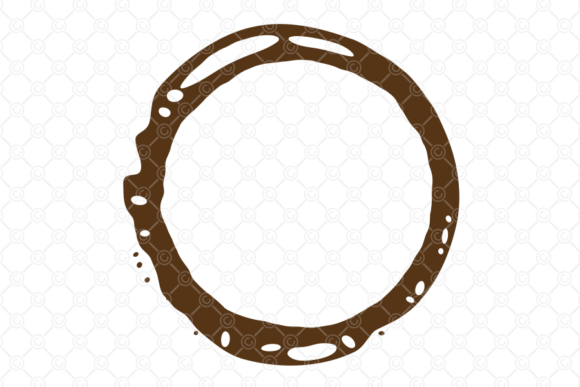
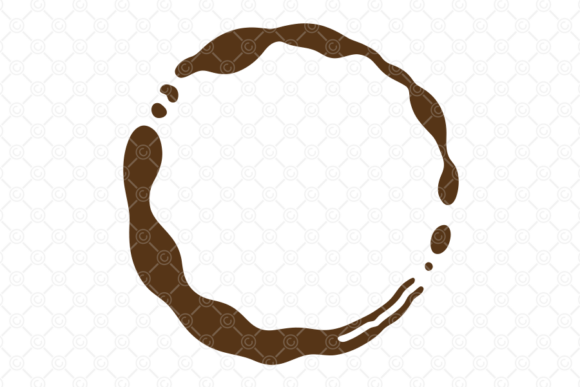
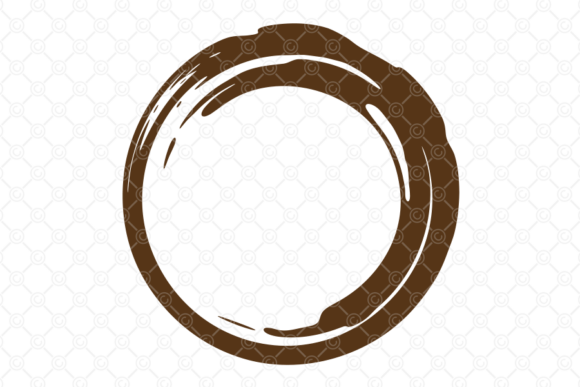
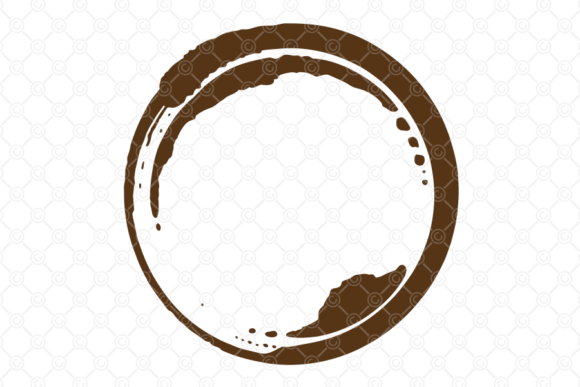
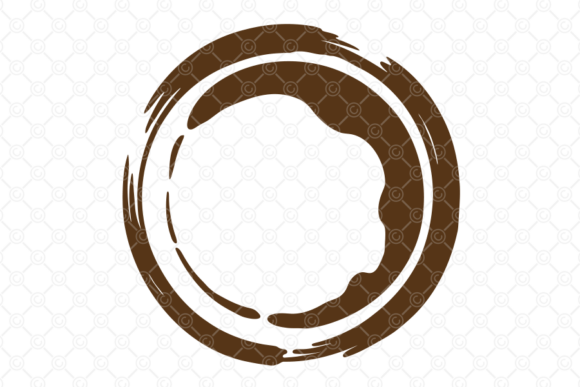
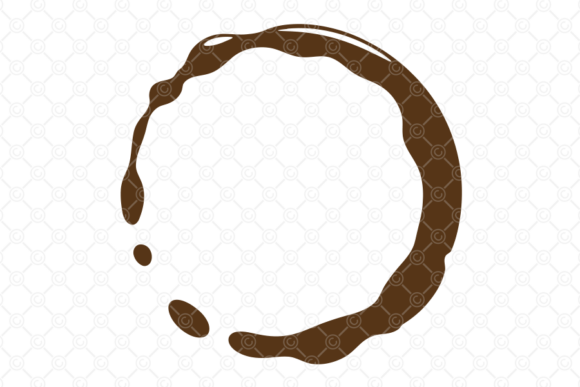
The design captures the organic, slightly irregular ring left by a coffee cup or tea mug. It’s not a perfect circle, which is exactly what makes it work. The edges are soft and uneven, with subtle variations in thickness that mimic a real spill. At first glance, it feels casual and unpretentious—the kind of detail that makes a product feel lived-in and personal. The mood is relaxed, artistic, and slightly nostalgic. It reminds me of a cozy café morning or a quiet afternoon with a favorite mug.
For a design asset in the Crafts and Graphics category, this one has strong visual personality. It’s simple enough to work as a standalone accent, but it also pairs well with other elements like text, leaves, or simple line art. I tested it alongside a coffee cup silhouette and a small “Sorry I’m Late” slogan, and the ring added a natural, grounded feel to the composition. The layout is forgiving—you can rotate it, scale it, or layer it without losing the authentic stain effect. That flexibility makes it a solid choice for both digital product sellers creating printable mockups and embroiderers looking for a quick, impactful design.
How This Design Performs in Real Embroidery Projects
I stitched Coffee Stain SVG, Tea Cup Spill Ring 024 onto several items to see how it holds up in real production. My main test was a set of four linen kitchen towels meant for a holiday gift bundle. I used a medium hoop size and a lightweight stabilizer, and the design ran cleanly through my machine. The fill stitch and satin stitch components handled the curves well, and I didn’t notice any puckering or distortion on the linen fabric. The design’s open areas kept the stitch density reasonable, which is crucial for breathable fabrics like tea towels or apparel.
I also tried it on a thick cotton sweatshirt for a boutique product sample. On a heavier fabric, the embroidery sat nicely on top without sinking in. The ring shape translated well to the curved surface of a sleeve or chest area. For a tote bag design, I stitched it on a canvas tote with a medium-weight stabilizer, and the result was crisp and durable. The design feels substantial enough for daily use items that need to hold up to washing, but it’s not so dense that it stiffens the fabric. I even tested it as an embroidered patch on a denim jacket, and the ring worked beautifully as a casual accent next to a coffee-related phrase.
From a machine embroidery design standpoint, this file handles fill stitch and running stitch transitions smoothly. The lack of tiny, intricate details means fewer thread breaks and less frustration. For custom apparel like t-shirts or baby clothes, the low stitch count (always confirm your specific file) is a big plus—it keeps the garment soft and comfortable. I’d also recommend it for pillow covers, nursery decor, and aprons where a playful, low-stakes design adds personality without overwhelming the product.
Where This Design Needs Careful Handling
No design is perfect for every situation, and Coffee Stain SVG, Tea Cup Spill Ring 024 has a few points worth noting. On very small hoop sizes, the ring might lose its organic feel if scaled down too much. I tried it in a 4x4 hoop for a baby onesie, and while it stitched fine, the subtle unevenness was less noticeable at that size. If you want the stain effect to read clearly, I recommend using at least a 5x7 hoop for most projects.
Textured fabrics like fleece or heavy knits can blur the soft edges of the design. On a textured sweatshirt, the ring still looked good, but the definition wasn’t as sharp as on smooth cotton or linen. Stretchy fabrics require extra caution—use a cutaway stabilizer and a lightweight topping to prevent the stitches from distorting. I’d also be careful with dark fabric backgrounds. The design relies on subtle shape and thread color to create the stain illusion; on black or navy, a single thread color might not pop as intended unless you choose a contrasting shade like gold, cream, or light brown.
For curved surfaces like caps or sleeves, test the design on a sample first. The ring shape is forgiving, but if you place it on a severe curve, the satin stitch might pull unevenly. I wouldn’t recommend it for tiny lettering areas or dense stitch regions where the ring could compete with other elements. On layered garments, make sure the design isn’t placed near seams or zippers that could cause hooping issues. And for products that need frequent washing, like kitchen towels or baby blankets, always pre-test the thread colors and stabilizer to ensure the design holds up over time.
Visual Appeal, Product Value, and Customer Trust
One of the strongest advantages of this design is how it affects the perceived value of your finished product. When I showed the embroidered tea towels to a few test customers, they loved the subtle, artistic touch. The coffee ring felt intentional, not like a mistake. That emotional connection is gold for handmade products. It makes the item feel unique, giftable, and conversation-worthy. For an Etsy seller or small business owner, this design can help your merchandise stand out in a sea of generic embroidery.
The simplicity also works in your favor for brand consistency. You can use this ring as a signature accent across multiple product lines—tote bags, aprons, coffee sleeves, even wall art. It’s recognizable without being loud. For boutique businesses, it adds a layer of sophistication that says, “We pay attention to details.” And because it’s a single-element design, it’s easy to pair with your own text or logo for personalized gifts.
From a buyer engagement perspective, designs that tell a story or evoke a mood tend to convert better in listings. A coffee stain ring is relatable, approachable, and fits perfectly into themes like morning routines, café culture, cozy home decor, and slow living. When used in printable mockups or digital product previews, it creates an instant emotional hook that can increase click-through rates and sales. Just make sure your finished product photography showcases the stitch detail clearly—close-up shots of the ring on different fabrics will help customers trust the quality.
Practical Designer Notes Before You Stitch
Before you commit to stitching Coffee Stain SVG, Tea Cup Spill Ring 024 for a client project or your own small shop product, here are a few things I always check:
- Test on scrap fabric first. Stitch the design on a piece of the same material you plan to use for the final product. This confirms thread color, stitch density, and hoop size work together. I learned this the hard way with a similar design on a stretchy knit—it stretched the stain into an oval.
- Review thread color contrast. The stain effect reads best when the thread matches or slightly lightens the natural look of a coffee ring. Try warm browns, taupes, or even a soft caramel. Avoid black or dark gray unless you’re going for a graphic, abstract look.
- Check stitch density. While the design isn’t overly dense, you still want to confirm it works with your stabilizer choice. For medium-weight fabrics, a tear-away stabilizer might be fine; for stretchy or lightweight fabrics, use a cutaway stabilizer to prevent distortion.
- Inspect small details. If the SVG file has been converted to a machine embroidery file, check that the edges haven’t become too jagged or simplified. I recommend zooming in during the digitizing phase or asking your digitizer to preserve the organic edge quality.
- Test in black and white mockups. Seeing the design without color helps you judge the shape and balance. If the ring looks good in monochrome, it will likely look good in thread.
- Compare light and dark fabric backgrounds. The same thread color will appear different on white versus navy. Stitch a sample on both to see how the stain effect changes.
- Confirm licensing. Since this is an SVG file in the Graphics category, check the license terms for commercial use. If you plan to sell finished products or use the design in digital embroidery file bundles, make sure you have the right permissions. The product description didn’t specify exact terms, so I always advise erring on the side of caution and contacting the seller if anything is unclear.
- Use proper stabilizer for each fabric type. A good rule of thumb: stable fabrics (cotton, linen, canvas) can use tear-away; unstable fabrics (stretch knits, silk, thin polyester) need cutaway. For tea towels or aprons, I often use a medium-weight tear-away with a water-soluble topping for a clean finish.
- Hoop size matters. Confirm that the design fits comfortably in your hoop without being crammed. A tight fit can cause registration issues.
I also recommend testing the design in a few different project types before adding it to your product lineup. For example, stitch it on a pillow cover, a tote bag, and a sweatshirt to see which format sells best in your shop. The design’s versatility means it can work across multiple categories, but your customers might have a preference.
From my experience, Coffee Stain SVG, Tea Cup Spill Ring 024 is a smart addition to any embroidery designer’s library. It’s not a complex or flashy design, but its charm lies in its simplicity and relatability. Whether you’re creating handmade products for a craft fair, listing personalized gifts on Etsy, or building a cohesive brand for your boutique, this stained ring adds a touch of authenticity that customers respond to. Just be mindful of fabric choice, hoop size, and thread contrast, and you’ll have a design that stitches cleanly and sells well.
If you’ve been looking for a low-commitment, high-impact embroidery file that feels artistic without being fussy, this one deserves a spot in your digital collection. It reminds me that sometimes the best designs aren’t perfect—they’re just real.