A Good Day to Have a Lucky Day – A Design Review
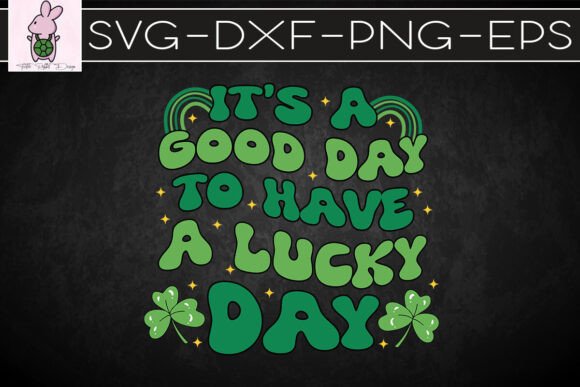
Opening a new digital design kit always carries a bit of anticipation. You hope for clean vectors, a balanced composition, and a sentiment that genuinely connects with the person receiving the finished piece. When I first unzipped A Good Day to Have a Lucky Day SVG, I was immediately struck by its straightforward warmth. It is a phrase that feels casual enough for a daily wear sweatshirt, yet meaningful enough for a thoughtful, personalized gift. This balance is surprisingly rare in digital embroidery files, and it sets the stage for a design that deserves a serious look from anyone running a craft business or building a portfolio of handmade products.
The Visual Personality of This Lucky Day Design
The first thing I noticed was the typographic layout. The words are arranged with a thoughtful sense of rhythm, making it feel like a cohesive statement rather than just a line of text. It carries a cheerful, slightly whimsical mood without tipping into saccharine territory. For an embroiderer, this translates into a design that works across a wide demographic — from children’s gifts to adult apparel. The digital embroidery file appears to have been prepared with clean curves and balanced kerning, which tells me the digitizer spent time on the details. This matters because every open path or awkward node in a vector can lead to messy stitch-outs, thread breaks, or a loss of detail in the final embroidery project.
Because the design is described as cup-sized and design software-friendly, I knew it would fit nicely within a standard 4x4 or 5x7 hoop. This is a huge advantage for small shop owners or hobbyists who may only have one or two hoop sizes available. It also means the design won’t overwhelm a garment. It sits comfortably on the chest of a sweatshirt, the front of a tote bag, or the center of a baby onesie. The compact footprint is a practical choice that opens up a wide range of product possibilities.
A Real-World Test: From Digital File to Finished Product
I decided to test this design on two different projects: a durable cotton tote bag and a soft fleece crewneck sweatshirt. For the tote bag, I wanted something that would stitch quickly but still look bespoke for a small holiday market. The SVG file opened cleanly in my digitizing software, requiring minimal cleanup. The curves were smooth, which directly translates to fewer needle punctures and a cleaner satin stitch edge. The high-resolution PNG with a clear background was immediately useful for creating a digital mockup of the tote bag for my online shop listing, saving me the time of stitching a sample just for photography.
Hopping the design onto the tote was straightforward. I used a medium-weight cutaway stabilizer and a 75/11 sharp needle to handle the dense satin stitching. The lettering came out crisp and clean on the first test. For the fleece crewneck, I added a tear-away topping to prevent the fill stitch lettering from sinking into the nap of the fabric. This is a classic trick that many embroiderers overlook, but it made a significant difference in the clarity of the text. The design held its shape beautifully, and the moderate stitch density meant the fabric didn’t pucker or distort.
Best Applications for Machine Embroidery
After testing this design on several fabric types, I can confidently recommend it for a broad range of machine embroidery design applications:
- Custom Apparel: Sweatshirts, t-shirts, denim jackets, and hoodies. The moderate size works well on the left chest, center front, or upper back yoke.
- Tote Bag Design: The compact layout and sturdy structure hold up well on canvas and canvas blends. It adds a professional, boutique touch.
- Embroidered Patch: The clean lines make it an excellent candidate for a standalone patch. The text reads well even when trimmed close to the stitching.
- Baby Embroidery: The positive sentiment makes it a natural fit for baby gifts, nursery decor, or personalized onesies. Just be sure to size it down appropriately for smaller garments.
- Home Decor: Pillow covers, tea towels, and kitchen linens. The design adds a charming, handmade feel to everyday items.
- Holiday Embroidery: While not strictly a holiday design, the “lucky” theme pairs beautifully with spring, graduation, or St. Patrick’s Day offerings.
Where to Use Caution Before You Stitch
No design is perfect for every situation, and this one has a few considerations that an experienced embroiderer should keep in mind. Because the design relies heavily on text, any distortion in the fabric can make the letters look wavy or uneven. This is particularly true for stretchy fabrics like ribbed knits, lightweight t-shirts, or performance wear. If you are working with these materials, a high-quality cutaway stabilizer is non-negotiable. You may also need to reduce the stitch density slightly to prevent the fabric from tunneling.
For curved surfaces like caps, the “cup-sized” nature of the design actually works in its favor. It is likely narrow enough to fit on a standard cap front without curling off the edges. However, you should still test a cap sample to ensure the text remains readable and doesn’t warp around the curve of the brim. If you are stitching on very dark fabric, pay close attention to your thread color contrast. A design like this deserves to pop, so choose your thread colors carefully. A soft gold, bright green, or classic black will usually outperform a pastel shade on a dark background.
It is also important to check the DXF file if you plan to use it with a cutting machine for applique or vinyl. The clean lines should translate well, but always verify the file’s scale before cutting. The embroidery file itself should also be reviewed for any tiny details that might not stitch out well in a reduced size. If you plan to stitch this on a baby onesie in a 4x4 hoop, you may need to simplify some of the finer points or adjust the letter spacing.
The Business Perspective: Value for Small Shops and Etsy Sellers
From a commercial standpoint, A Good Day to Have a Lucky Day SVG is a solid asset. The sentiment is universally positive, making it an excellent year-round product for an Etsy seller or a craft business. It avoids being overly trendy, which means it won’t look dated by next season. For custom apparel and personalized gifts, this design adds a layer of emotional connection that customers are willing to pay a premium for.
One of the biggest advantages for a digital product seller is the inclusion of the high-resolution PNG with a clear background. This allows you to create stunning printable mockups without physically stitching a sample for every listing variation. You can virtually place the design on a mockup sweatshirt, tote bag, or mug in minutes. This saves significant time and money, especially when testing new product ideas. The design assets provided in this kit are ready for both physical production and digital presentation.
The perceived value of the finished product is high. A clean, well-stitched design like this increases customer trust and reinforces the quality of your brand. Buyers are more likely to return to a shop that delivers crisp, professional embroidery. For small shop products, it is the kind of design that works beautifully as a standalone statement piece, which simplifies your production line and inventory management.
Practical Designer Notes Before You Digitize or Sew
Before you load this design into your machine, take a few minutes to run through my standard checklist. These are the steps that separate a frustrating stitch-out from a flawless finish.
- Test on Scrap Fabric: Never go straight to the final product. Stitch the design on a piece of fabric that matches your final fabric weight and weave.
- Check Stitch Density: If the design has heavy fill stitch areas, verify the density settings. Too dense, and you risk thread breaks and fabric distortion. Too loose, and the design will look stringy.
- Confirm Hoop Size: The design is described as “cup-sized,” but always measure it in your software before hooping. It likely fits a 4x4 or 5x7 hoop, but confirm first.
- Review the Vectors: Open the SVG in your preferred vector software. Look for open paths, excess nodes, or tiny details that might not stitch well. Clean vectors equal clean stitches.
- Consider Fabric Texture: For textured fabrics like fleece, terry cloth, or boucle, use a lightweight topping to keep the stitches from sinking into the material.
- Verify Licensing: Always confirm the terms of use. The product listing places it in the Crafts and Graphics categories, which typically allows for commercial use of the finished product. However, you must confirm whether you are allowed to resell the digital file itself or if it is for production use only. When in doubt, contact the seller directly.
Final Thoughts on This Design Kit
A Good Day to Have a Lucky Day is a thoughtfully constructed digital design asset. It performs reliably across a range of fabrics and product types, carries a universally positive message, and gives crafters and business owners the flexibility they need to create beautiful, saleable embroidery projects. The inclusion of the SVG, high-resolution PNG, and DXF files makes it a complete kit ready for both digital mockups and actual stitching. Whether you are preparing a run of market totes, a personalized birthday gift, or a fresh listing for your online shop, this design is a dependable choice. Just remember to test first, stabilize properly, and double-check your licensing. A little preparation goes a long way in machine embroidery, and this design is well worth the effort.