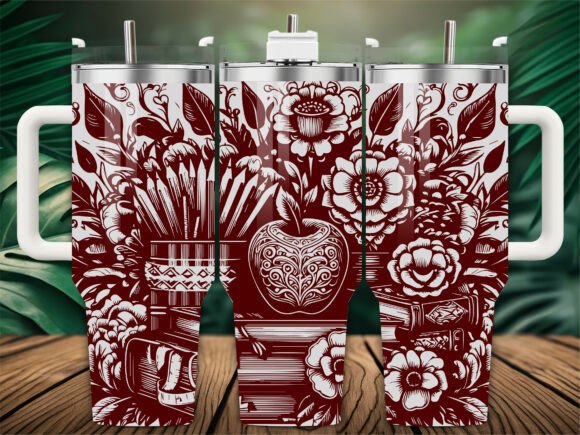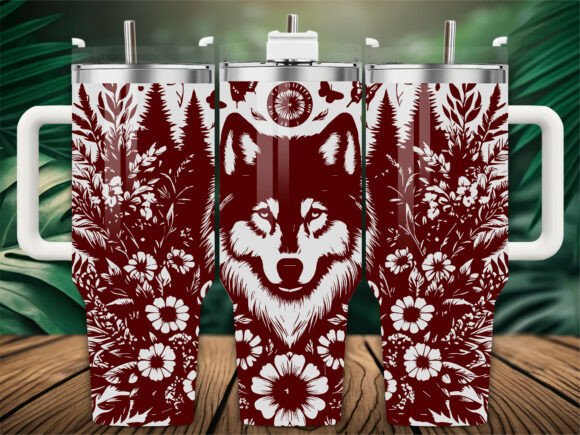
Poppy Wolfs Laser Engraving Tumbler Wraps Graphics Review
As a designer who regularly evaluates creative assets for brand campaigns, I approached Poppy Wolfs Laser Engraving Tumbler Wrap with a practical eye. This isn’t just another digital product—it is a tool meant to deliver real results for packaging, product mockups, social media graphics, and print-on-demand projects. I recently used it for a client who runs a handmade drinkware business, and I want to share how this asset performed under professional conditions. Whether you are a brand owner, a content creator, a Cricut user, or a small business owner looking to elevate your product line, this review will help you decide if this design asset belongs in your commercial toolkit.
First Impressions and the Mood It Creates
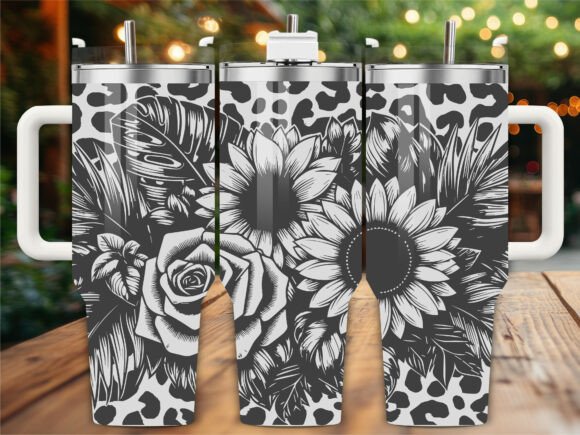
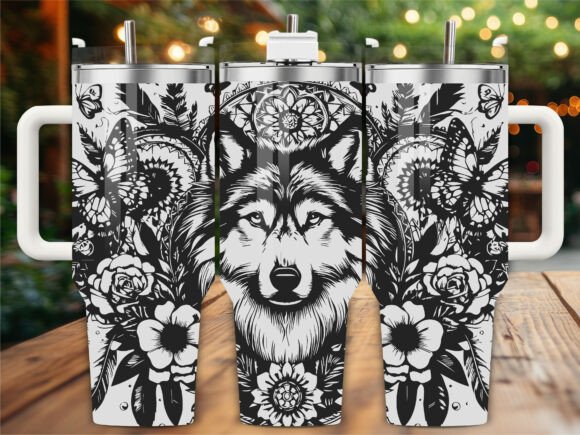
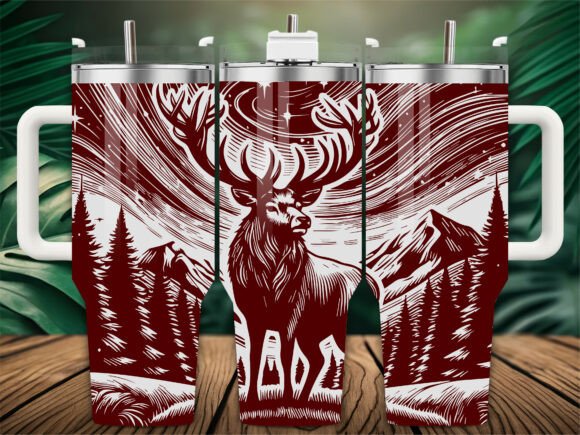
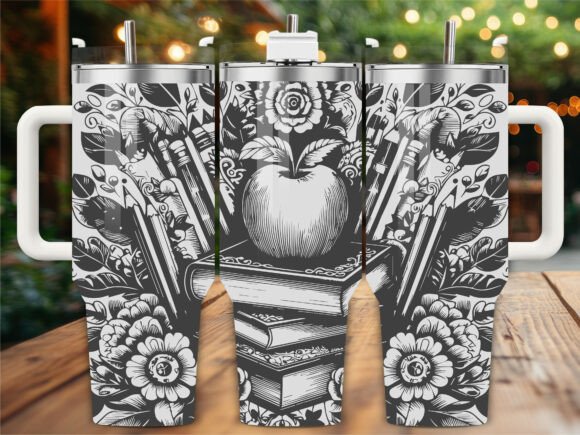
Poppy Wolfs Laser Engraving Tumbler Wrap immediately communicates a rustic, artisan aesthetic with a modern edge. The laser engraving style gives the design a tactile, handcrafted feel that aligns well with brands that value authenticity and craftsmanship. The full wrap layout is thoughtfully composed, making it suitable for 40oz Stanley-style tumblers, including the Quencher H2.0 format. The visual mood leans toward earthy, organic, and slightly vintage—perfect for a boutique product line, a seasonal campaign, or a local event that wants to stand out with warmth and character.
For my client project, a handmade brand launching a limited-edition tumbler collection, this asset set the tone immediately. It suggested a story of slow making and intentional design, which resonated with their target audience of eco-conscious buyers and gift shoppers. The laser engraved SVG element adds a layer of sophistication that standard vinyl wraps often lack. If your brand identity values texture, depth, and a non-mass-produced look, this asset delivers on those fronts.
How It Performs Across Real Design Applications
I tested Poppy Wolfs Laser Engraving Tumbler Wrap across several design contexts to see how it holds up. In logo design and brand identity work, the asset works best as a decorative accent rather than a primary logo element. The engraved style adds a unique texture to social media graphics, especially Instagram posts and Pinterest pins where a handcrafted mood can boost engagement. For product labels and packaging design, the wrap translates beautifully. It gives physical products a premium, limited-edition feel that justifies a higher price point.
When used in t-shirt design, mug graphics, and tote bag prints, the asset maintains its visual integrity. The PNG transparency, if included, allows for clean layering on different backgrounds. The SVG format proved fully editable in vector software, which means you can adjust colors, scale, and placement without losing quality. For Canva templates and Cricut projects, the file structure is straightforward. I found that the design works especially well in poster design and flyer layouts where the engraved texture can be used as a background element or a supporting visual.
For editorial design, such as blog visuals or digital ads, the asset adds a tactile quality that contrasts nicely with clean typography. It also fits well in themed collections, campaign visuals, and packaging details where a consistent artisanal look is required. In product mockups, the full wrap design creates a realistic preview that clients can immediately visualize on their own products.
Where This Asset Excels in a Design Project
Poppy Wolfs Laser Engraving Tumbler Wrap performs best in large layout areas and hero graphics. The engraved details need room to breathe, so using it as a central visual element on a product page, a social media post, or a packaging insert allows the texture to shine. It works exceptionally well as a decorative accent in themed collections, such as a fall harvest line, a rustic wedding series, or a wilderness-inspired branding suite. For handmade businesses and small business branding, this asset helps create a cohesive visual identity that feels curated rather than generic.
The design also supports brand consistency well. When used across multiple touchpoints—product labels, stickers, social media posts, and website banners—it creates a recognizable thread that builds visual trust. The emotional appeal is strong: the laser engraving effect evokes memories of custom craftsmanship, which can increase audience engagement and perceived value. For print-on-demand sellers, this asset can differentiate a store from competitors who rely on simpler, less textured graphics.
Where to Use This Asset with Caution
Despite its strengths, Poppy Wolfs Laser Engraving Tumbler Wrap is not a universal solution. In small sizes, such as a logo mark on a business card or a tiny icon on a mobile screen, the engraved details can become muddy or lost. Crowded layouts and complex backgrounds also reduce its effectiveness. The texture relies on contrast, so placing it on low-contrast or similar-toned backgrounds will diminish its impact. For minimalist branding, especially in professional corporate materials, the artisanal mood may feel out of place. If your project requires very clean visual hierarchy with sharp, minimal lines, this asset may compete rather than complement.
I also found that the design works best when paired with simple typography. Serif fonts and sans serif fonts handle the engraved texture well, but script fonts and handwritten fonts can clash if not carefully balanced. Display fonts should be used sparingly. The key is to let the asset serve as the textured anchor while keeping other elements restrained.
Practical Designer Notes for Commercial Use
Before using Poppy Wolfs Laser Engraving Tumbler Wrap in a client project, I recommend a few practical checks. Test it in black and white first to evaluate contrast and readability. Preview the design on both light and dark backgrounds to see how the engraved effect translates. Scale it up and down to confirm that the details remain crisp at different sizes. Place it on real product mockups—especially the 40oz tumbler format—to ensure the full wrap aligns correctly. If the file includes PNG transparency, inspect the edges for artifacts. If SVG is provided, confirm that the vectors are clean and editable in your preferred software.
I also suggest comparing the asset with different font styles. A simple sans serif font can create a modern contrast with the engraved texture, while a serif font can reinforce the vintage mood. Avoid overly ornate fonts that compete with the detail. Always confirm the commercial license before using the asset for a client or business project. Many creative marketplaces have specific terms for print-on-demand and digital sales, so read the fine print carefully.
For Cricut users and digital sellers, check that the file formats match your workflow. Laser engraving projects require specific settings, so having both the SVG and the laser file is a practical advantage. If you are using this asset for sublimation design, test the color profile to ensure the engraved effect prints accurately on coated surfaces.
Final Thoughts on Poppy Wolfs Laser Engraving Tumbler Wrap
Poppy Wolfs Laser Engraving Tumbler Wrap is a well-crafted graphic design asset that brings a distinctive artisanal mood to commercial projects. It works best for small business branding, handmade product lines, seasonal campaigns, and print-on-demand stores that want to communicate quality and craftsmanship. The laser engraving effect adds depth and visual trust, while the full wrap design ensures it functions correctly on the intended product format.
That said, it is not a plug-and-play solution for every brief. Use it thoughtfully in large formats, with simple typography, and on high-contrast backgrounds. Avoid small applications, crowded layouts, and minimalist corporate contexts where its textured personality may feel excessive. If you are a designer, marketer, content creator, or small business owner looking for a creative asset that feels handcrafted and premium, this tumbler wrap is worth adding to your design assets library. It earns a place in my commercial toolkit for the right client projects, and I can see it performing well in social media graphics, packaging design, product mockups, and Cricut projects that need a tactile, grounded aesthetic. Just remember to test it thoroughly and respect the licensing terms before putting it to work.